Filter

Location
- Miami, USA
Job Type
- Road / Warehouse Based
Filter
Location
- New York, USA
Categories
- Notice
- Pinned
Monday 10th August 2026
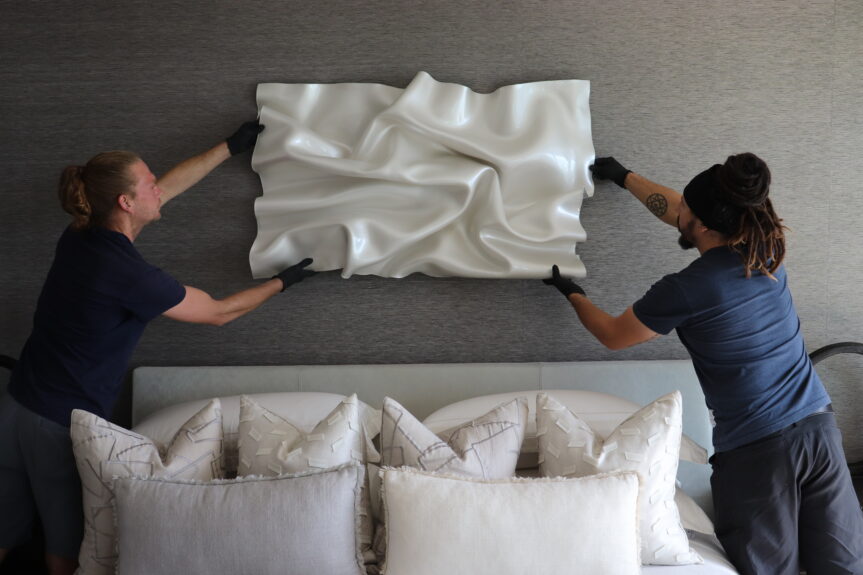
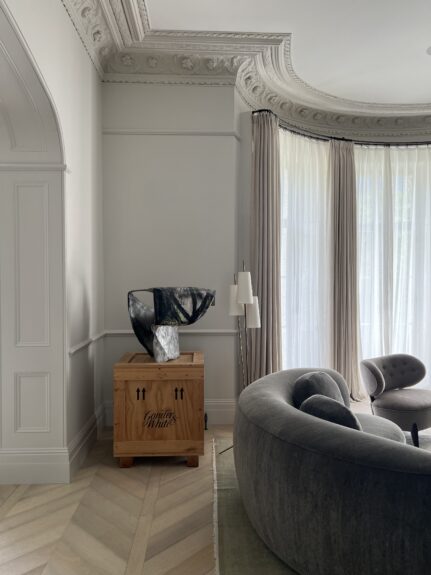
Members of our crew installing at a private residence
The Great Wealth Transfer’: Why Art Collections Need a New Approach to Stewardship
by Shue Her-Sturm, West Coast Business Development Manager at Gander & White
According to Cerulli Associates, an estimated $124 trillion will transfer between generations by 2048, making the imminent “Great Wealth Transfer” one of the largest intergenerational wealth shifts in history. Alongside financial assets, this transfer will include many of the world’s most significant private collections. As the Art Basel & UBS Survey of Global Collecting notes, heirs will increasingly face decisions not only about ownership, but also the preservation, donation, and long-term stewardship of these collections.
For those of us working in fine art logistics and collections management, this shift is already reshaping expectations. Family offices, legal advisors, museums, and wealth managers are engaging specialist logistics partners much earlier in the estate planning process. The conversation has evolved beyond transportation to encompass inventory management, provenance, storage strategies, valuation support, and the long-term care of collections as both cultural and financial assets.
This reflects a broader evolution in how art is viewed. While collecting remains driven by passion, personal connection, and cultural significance, collections are increasingly recognised as an important asset class within comprehensive wealth planning. Alongside property and investment portfolios, they require careful consideration around insurance, tax, conservation, storage, and succession. As a result, estate planning has become a more collaborative process involving lawyers, fiduciaries, financial advisors, appraisers, insurers, conservators, and specialist logistics providers.
Yet despite this growing recognition, many collections remain underprepared for generational transfer. Built over decades and often spread across multiple homes or countries, they may lack centralised inventories, current valuations, condition reports, or a clear succession strategy. These gaps can quickly create challenges when ownership changes.
Good documentation is the foundation of a successful transition. Comprehensive inventories, photography, provenance records and condition reports support valuation, insurance and estate administration while reducing misunderstandings between beneficiaries, advisors, and institutions. Equally important is communication: families may have clear intentions for a collection, but unless those wishes are discussed with beneficiaries or potential recipient institutions, carrying them out can become far more difficult than intended.
The emotional dimension should not be overlooked either. Collections often tell the story of a family’s history, values, and passions, with individual works carrying deep personal significance. Different heirs may value the same piece in very different ways, making inheritance decisions especially sensitive. Early planning helps reduce uncertainty, allowing families to focus on preserving relationships rather than resolving avoidable logistical challenges.
Transitions also introduce practical risks. Artworks may need to be divided among beneficiaries, relocated internationally, prepared for sale, or donated to institutions, all while maintaining appropriate handling, security, insurance, and documentation. Without careful coordination, even routine movements can increase the risk of damage, delays, or unnecessary costs.
This is why specialist logistics partners should be involved well before artworks need to move. At Gander & White, we regularly work alongside estate lawyers, trustees, family offices, art advisors, and appraisers to develop practical strategies for storage, transportation, inventory management, and risk mitigation that support broader estate planning objectives.
As a privately owned company with a global footprint, Gander & White is able to provide the continuity, discretion, and personalised service these sensitive transitions demand. Our experienced teams coordinate transportation, secure storage, packing, installation, condition reporting, and inventory management while working seamlessly across multiple stakeholders.
Whether a collection is being inherited, divided, sold, or donated, our focus is on delivering calm, organised execution that protects both the artworks and the wishes of those entrusted with them. This commitment to excellence has earned Gander & White a Royal Warrant and the trust of collectors and institutions worldwide.
Looking ahead, demand for integrated collection management services will continue to grow. Younger generations often bring different perspectives to collecting, with greater emphasis on transparency, digital documentation, and accessibility. At the same time, collections are becoming increasingly international, with works spread across multiple residences and jurisdictions. As this complexity grows, logistics is evolving from a transactional service into a strategic component of long-term collection stewardship.
The Great Wealth Transfer is about more than passing on assets. It is about preserving stories, safeguarding cultural heritage, and ensuring collections continue to be cared for with the same thought and purpose that went into building them.
For families, the advice is straightforward: start planning before you think you need to. Keep inventories, valuations, and documentation up to date, communicate intentions openly and involve specialist advisors early. Taking a proactive approach today makes it far easier to protect not only the financial value of a collection, but also the legacy it represents for generations to come.