

Filter

Location
- Miami, USA
- Palm Beach, USA
Job Type
- Road / Warehouse Based
Filter
Location
- New York, USA
Categories
- Notice
- Pinned
Friday 16th January 2026

Gander & White’s sustainability innovations in fine art logistics
Juliette Vartikar
As the founder of ArtSustainability and a director in sustainable investing at UBS Asset Management, I’ve spent years working to make sustainability feel practical – especially in an industry as complex as the art world. At ArtSustainability, we partner with organisations, artists, and collectors to help them reduce their environmental impact, focusing on the areas where small changes can create meaningful shifts.
That’s why the work happening at Gander & White, a global fine art logistics group, stands out to me. They’re showing that sustainability in fine art handling isn’t just possible – it’s already happening.
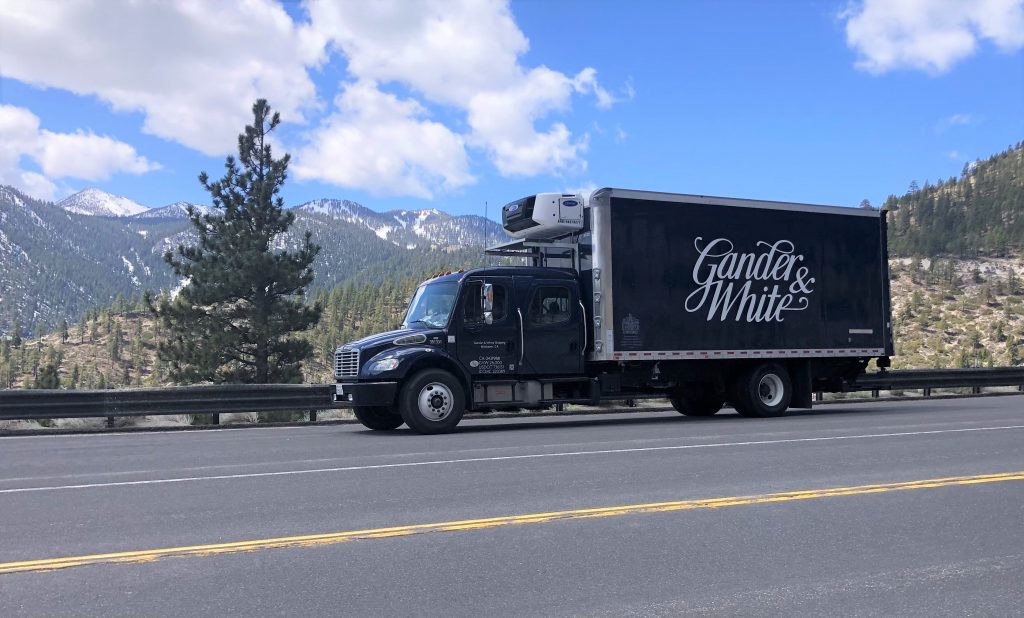
By measuring their scope 3 emissions in full Gander & White has taken a full look at their carbon footprint, from their buildings to their supply chain, and they’ve backed that analysis with real action. This has allowed them to set an ambitious yet realistic Net Zero target of 2045. Their investment in ROKBOX Loop – a reusable crate initiative – is a smart way to cut waste, and their rollout of electric vehicles shows how emissions can be reduced during some of the most visible parts of art transportation, especially in dense urban areas.
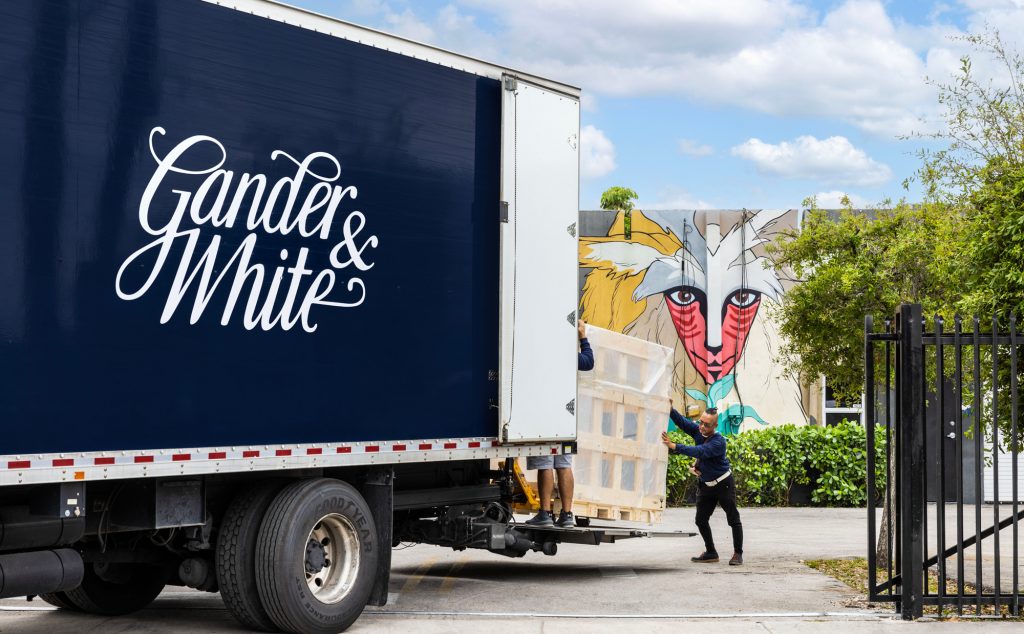
Anyone who’s moved art for Frieze, Art Basel, or other major fairs knows how complex these operations can be. Climate control, security, and careful handling all carry environmental costs. What I appreciate about Gander & White is that they’re not waiting for perfect systems to emerge – they’re already finding ways to make these high-stakes logistics more energy-efficient and less resource-intensive.
Their work on climate resilience is equally important. In places like Florida, where extreme weather is becoming more frequent, they’ve strengthened their storage infrastructure and even developed custom hurricane protection for sculptures. These aren’t theoretical ideas; they’re concrete measures designed to protect collections from real climate risks.
This aligns closely with what I focus on at UBS: helping investors understand how physical climate risks affect long-term decisions. Whether you’re safeguarding financial assets or irreplaceable artworks, the ability to prepare for disruption is increasingly essential. Gander & White’s approach shows how a business can reduce environmental impact while also becoming more resilient.
And the push for change isn’t just internal – it’s coming from clients as well. UBS, with its significant corporate art collection, actively expects suppliers like Gander & White to meet higher sustainability standards. That pressure is healthy. After completing UBS’s CDP questionnaires in 2023, Gander & White has expanded its sustainability efforts internationally, reflecting a broader shift where responsible logistics aren’t a “nice-to-have” anymore but a baseline expectation across the sector.
What I find especially compelling is Gander & White’s philosophy: “doing what we can, where we can.” It’s a refreshing reminder that progress doesn’t require perfection. Incremental improvements, when consistently applied, genuinely move the needle. Their involvement with the Gallery Climate Coalition further shows that they’re committed not just to internal changes, but to helping lead industry-wide transformation.
For artists, galleries, collectors, and institutions, these efforts offer a roadmap. Combining operational efficiency with environmental responsibility isn’t just good practice – it’s becoming essential to the viability of the art ecosystem itself. Resilient, lower-impact logistics don’t just protect the planet; they protect the works we care about and the businesses that support them.
By highlighting these initiatives, we can help reinforce the message that real progress is already underway. The art world has a unique opportunity to model responsible, thoughtful practices that ripple far beyond the sector. Supporting companies like Gander & White helps push all of us toward a more sustainable and resilient future.